Have a skill you would like your child to learn? Please reach out! We take pride in building resources for families to use.

Introduction
Steve Metzger introduces us to Autumn in a fun, engaging way that encourages learning through nature. From colors and textures, to friendship and vocabulary, the story We're Going on a Leaf Hunt, presents excellent teaching opportunities. We try listing activity after activity to promote learning and having fun at the same time! Since learning takes place both at home and school, why not enjoy the space in-between? Nature!
Story Introduction

Introducing a new story is an exciting time for both kids and their grown-ups! What new adventures await within the pages of the story? For us grown-ups, how will our children respond to the story? It's fun to introduce a story in a way that corresponds to the theme of the story itself. For Steve Metzger's story, try introducing the the story while the kids are seated outdoors on leaves, or on a log. This teaching activity helps children form connections between themselves and the characters they are meeting. We also enjoy taking photos of our children reenacting parts from the story!
Academics
Counting Acorns
Measuring Sticks
Counting Acorns

If you don't have access to real acorns, try other fall items found outside of school, such as pine cones, leaves, small twigs, or even pebbles for this teaching activity. Using these items to build 1:1 correspondence & rote counting skills comes naturally with nature!
Leaf Sort
Measuring Sticks
Counting Acorns
Using leaves or other natural items collected from outdoors, this teaching activity has children sort the items according to color, size, length, weight, or other interesting attribute. Sorting ourselves by clothing we're wearing builds math connections through this fun pre-math skill.
Measuring Sticks
Measuring Sticks
Measuring Sticks
Children love handling sticks and twigs. Collect a variety of sticks and twigs from outdoors, or ask grown-ups to send backpack-sized twigs from home, to school. In class, introduce tools for measuring, such as a ruler & a tape measurer. Explore length, numbers, graphing, & counting in this fun, hands-on teaching activity .
Building Shapes
Building Shapes
Measuring Sticks
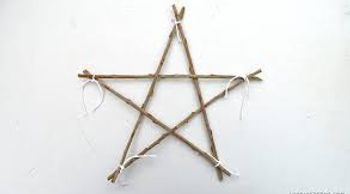
Using sticks and twigs from outdoors, have children build their own shapes. Provide a mini-lesson to introduce the activity. Children can each "teach" the class how to make a shape, or play a "copy-cat" game of imitating a peer's idea.
Twig Alphabet
Building Shapes
Nature Patterns
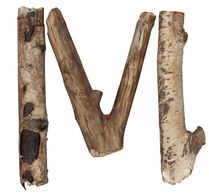
Similar to teaching how to form shapes, what letters can be constructed from sticks 'n twigs? Could someone possibly construct their entire name? Make sure to take photos, and voila! you have a class Twig ABC book! The perfect home & school activity!
Nature Patterns
Building Shapes
Nature Patterns
Using various items collected from outdoors (images also available below on a downloadable PDF), create activity patterns ranging in complexity. We like teaching ABAB patterns first (acorn, leaf, acorn, leaf, acorn, leaf, etc.), and then work our way up to AABB, AABAAB, and ABCABC.
Speech & Language
Story Basket Play
Story Basket Play
Story Basket Play
As we introduce each new story, we like to create a "story basket." This basket contains activity manipulatives that pair our teaching with the story. We use the story basket to help re-tell the events. Making the materials available for children to explore independently is a positive touch.
Games
Story Basket Play
Story Basket Play
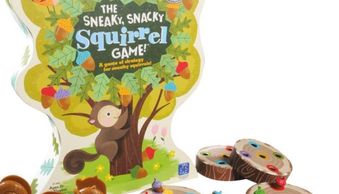
One of the games we love is put out by Educational Insights, called Sneaky Snacky Squirrel. A great teaching activity that promotes thinking, turn taking, vocabulary, & matching.
Leaf Twister
Story Basket Play
Scavenger Hunt
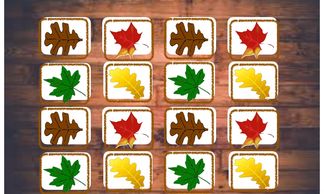
Similar to the original party game, Twister, use our large leaf printables [PDF below], and have children move according to the directions you or a child provide. A fun fall school activity, great for teaching & reinforcing skills.
Scavenger Hunt
Small Group Sorting
Scavenger Hunt
Print pictures of leaves [PDF below] and hide them around the classroom, school or house. Give your children clues and see if they can find the leaves. This teaching activity can include collecting all four colors!
Small Group Sorting
Small Group Sorting
Small Group Sorting
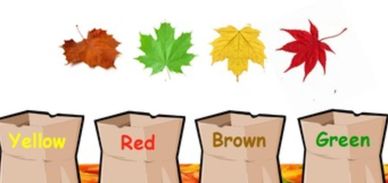
Similar to Leaf Sorting above, working 1:1 and in small groups allows for more attention and limits distractions in school. This teaching activity helps to increase awareness, and introduces the concepts of similarities & differences.
Recipe for Success!
Small Group Sorting
Small Group Sorting
Click on the PDF file below to download our Speech and Language Activity document. It's FREE, and provides tips & ideas for building vocabulary, learning opposites, mastering prepositions, and teaching so much more at home & school.
Games & Activites
Tree Ball
Pine Cone Throw
Acorn Guess
An activity that has children moving a ball around a tree. Or try tossing a ball against a tree. See how close a child can kick the ball to a tree! Using twigs to keep score helps with teaching additional skills!
Acorn Guess
Pine Cone Throw
Acorn Guess
Fill a container with acorns, leaves, or pine cones. Have children guess how many are in the container. Use two different sized containers with two different items. What are their predictions? You now have a school teaching activity that builds on language & math!
Pine Cone Throw
Pine Cone Throw
Pass the Pine Cone
Place cardboard boxes at different distances, and have children toss or throw pine cones towards the boxes. Are you able to score any points? Smaller boxes are worth more points! A home and school teaching activity perfect for rainy or sunny days.
Pass the Pine Cone
Pass the Pine Cone
Pass the Pine Cone
With a bucket of pine cones at the beginning of the line, have children pass one pine cone to one another as quickly as possible. The teaching activity is complete when a second bucket on the opposite end of the line is filled. [See game variations on the PDF below]
Nature BINGO
Pass the Pine Cone
What's Missing
Using our Nature BINGO board activity [PDF below], have children play using acorn tops or pebbles as chips. What does the winner get? First dibs jumping in a big, fat pile of leaves outside of the school!
What's Missing
Pass the Pine Cone
What's Missing
Place & review several items from nature that are placed on the floor. Cover the items with a towel. Have children close their eyes while you remove one item. Kids take turns guessing which item(s) is missing. To expand on the activity, simply add/remove items, or hide two items!
Sensory, Fine & Gross Motor Skills Development
Raking Leaves!
Nature Sensory Bin
Raking Leaves!
Why not practice skills families appreciate?!?!? Kids love using "grown-up tools," and taking on responsibility. Use rakes and gardening gloves for this activity, and have children rake leaves and collect sticks. Take before & after photos to see the work they did around their home or school !
Leaf Race
Nature Sensory Bin
Raking Leaves!
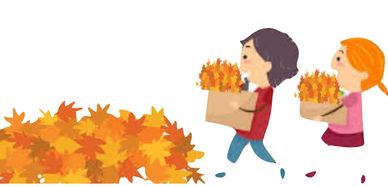
Using beach buckets or boxes, have children fill the container with leaves from around the school, dumping them on the pile. Children can work in activity teams and carry one larger box together. (If collecting sticks, please don't run. Kids can work together to carry larger branches.)
Nature Sensory Bin
Nature Sensory Bin
Nature Sensory Bin
Fill a large bin with items from outside school: acorns, leaves, twigs, pine cones, gourds, small pumpkins, etc. Include tongs, scoops, spoons and other utensils for manipulating the items from nature. Breaking apart the items to complete your teaching activity!
Twig Painting
Jumping Into Fall
Nature Sensory Bin
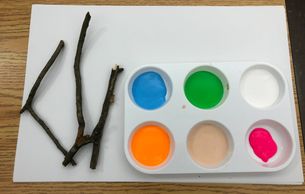
There are several ways to try out this activity. We like providing cups of paint at the easel, but instead of paintbrushes, have kids use twigs. Another option is to tape a paintbrush to a long branch, and have children paint on a paper taped to the floor.
Jumping Into Fall
Jumping Into Fall
Jumping Into Fall
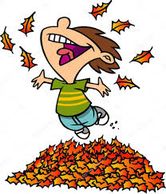
Create small piles of leaves (plastic or real), and have children jump OVER the small pile, AROUND it, swing OVER it, stomp THROUGH it... You can create an obstacle course activity by including piles of leaves, a squirrel stuffed animal, branches, etc.
Snipping Leaves!
Jumping Into Fall
Jumping Into Fall
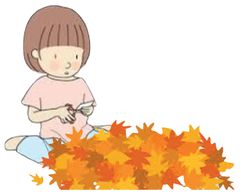
After collecting leaves, have children practice their scissor skills on leaves. How often do we allow kids to snip things other than paper in school? Leaves are naturally thin, and this activity offers that "excitement" that promotes success. Teaching through nature!
The Arts
Nature Collage
Nature Instruments
Nature Instruments

Collage making is a simple, engaging, AND cost effective art activity! After a nature walk of collecting items from outdoors, provide cardboard bases (whatever size you like), and liquid glue. Kids can either shop for items laid out on a table, or choose pieces that have been randomly laid out on their work space. Since making a mess is a healthy part of learning in school, we encourage less direction to reduce a need for correction. An ideal "kids will be kids" moment!
Nature Instruments
Nature Instruments
Nature Instruments
Before there were plastics, metals, or Amazon.com, instruments were formed from wood & found in nature! Have a musical instrument nature walk around your home or school. What natural items make sound? To expand on your teaching activity, add the items to a maker-space. For example, use acorns in a small box as a shaker. Try tapping two twigs together, or on a table. You've got yourself a truly organic band!
Leaf Dance
Acting Out the Story
Acting Out the Story
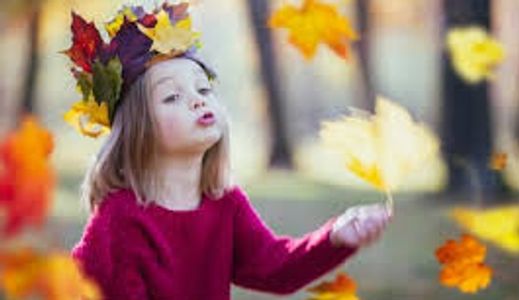
What's better than simply jumping in a pile of leaves? How about an activity that adds music and choreography? Have children move to the music in ways a leaf might when it's windy (fast music), or when it's a calm day (calm music). Try incorporating favorite songs into dancing with leaves. Instead of the Hokey Pokey, how about the "Leafy Pokey"? "Put your leaf up/down/behind/fast/slow/etc, and shaking it all about!" Kids can help with teaching peers their new dance!
Acting Out the Story
Acting Out the Story
Acting Out the Story
Similar to the movement activity in the movement section, have children act out the story. Try photographing their acting, or video taping it, and either making a "movie" or making a new class book.
Video Resources
Food 'n Cooking Activity Ideas

Leafy Salad
Leaves don't only grow in trees, but also in gardens! Have children help prepare a salad with leafy greens for a fun activity. We tend to develop better eating habits, and make healthier food choices when we help prepare meals. In school, teaching about food is just as fun as eating it!
Seeds Aren't Just for Squirrels!
Barring allergies, children enjoy exploring foods that they see in nature. Squirrels and chipmunks enjoy seeds, and so can we! Sunflower seeds, pumpkin seeds, chia seeds... If nuts are okay, try making peanut, cashew, or almond butter as your teaching activity. Cracking shells provides opportunities for building fine motor skills, and food makes for natural manipulatives for math skills development.