Have a skill you would like your child to learn? Please reach out! We take pride in building resources for families to use.
Jack and the Beanstalk Activities

Introduction
Jack & the Beanstalk is a classic tale of a young boy who lives with his mom. They are very poor, and need money. Jack's mom tells Jack to go into town and sell their family cow. (It is too old to provide milk anymore.) On the way to town, Jack meets a stranger along the road. This stranger offers Jack magic beans for the cow. True to many youngsters, Jack is faced with lessons about listening to one's grown-ups, rules about talking to strangers, and how to make appropriate choices. Jack fails on all three counts, and brings the magic beans home to his mother, who proceeds to get very angry and throw the beans out of their cottage window.
The story continues with fantastic lessons, opportunities for discussions, and additional not-so-wise decisions for children to notice and help Jack understand. In the end, Jack and his mom live happily ever after. We are left pondering Jack's choices, his mother's choices, and who in the story made the best decisions. As the story concludes, readers and listeners are left to discuss what they think ever happened to the Giant's wife, the stranger who sold Jack the beans, the cow, and of course the Giant's very large body.

Speech, OT, PT & more - ideas for everyone!
Language & Floor Play
Language & Floor Play
Language & Floor Play
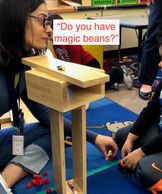
Working on speech and language skills within play to accomplish goals. (Here, Sana and a child retell the story by building a beanstalk with blocks, and using LEGO figures for the characters.) Education through play.
Story Basket
Language & Floor Play
Language & Floor Play
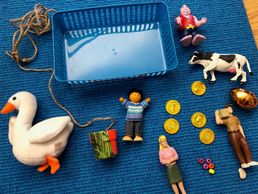
Create your own Story Basket: a collection of manipulatives that can be used to re-tell the story. By keeping it accessible, children can use the basket during play.
Bean Bag Toss
Language & Floor Play
Group Story Re-Tell
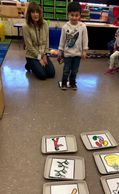
Children first roll a large die that has images from the story. They then toss beanbags towards the matching images that are on the floor. Lessons address working on following 1-step directions, building vocabulary, and improving motor skills!
Group Story Re-Tell
Interactive Video Sample
Group Story Re-Tell
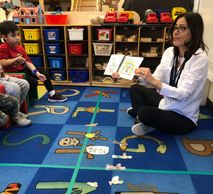
Introducing and then re-introducing the story through group re-tell lessons. Include felt storyboard pieces OR manipulative representing aspects of the story.
J&B Interactive Story
Interactive Video Sample
Interactive Video Sample

Download our suggested language questions for this activity, below. Don't own the story kit? No problem - you can build your own lessons using your own manipulatives! We made the following video sample for you:
Interactive Video Sample
Interactive Video Sample
Interactive Video Sample
Video lessons: Our 3:00 demo video models a way to present the story to children.

Jack Goes to School!
Bean Letter Collage
Bean Letter Collage
Bean Letter Collage
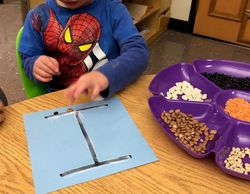
Easy enough! Have children use various beans to form letters. Letter can be pre-written, or not.
Beanstalk Names
Bean Letter Collage
Bean Letter Collage
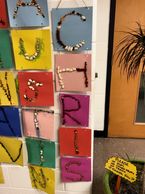
Letters children make can be connected to form a tall name, like a beanstalk.
Bean Descriptors
Bean Letter Collage
Bean Descriptors
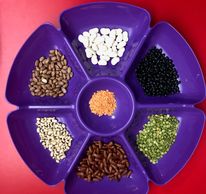
We love allowing children opportunities to explore different varieties of beans, discuss what makes them each different (colors, shape, size), and use beans for activities like forming patterns, making collages, playing comparison games, and planting!
Links Patterning
Links Patterning
Bean Descriptors
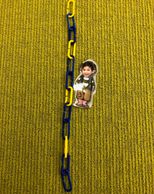
When lessons have preschoolers create patterns, the activities promote pre-math skills that will last a lifetime. From ABAB & AAB patterns, to AABB & ABCABC patterns, building beanstalks is FUN! (And you can add children's faces to a "Jack body" to create more language opportunities!
1, 2, 3, 4, 5!
Links Patterning
1, 2, 3, 4, 5!
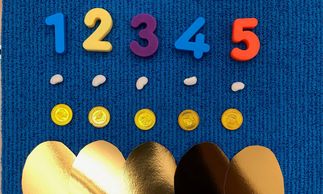
Number recognition, counting, 1:1 correspondence, plurals, organization...and more!

Floor, table, group, solo - activities for smiles!
Bean Sort
Where's Jack Hiding?
Beanstalk BINGO
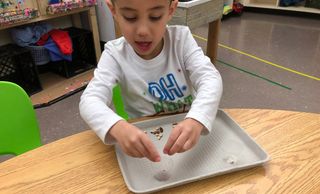
Children play against themselves, or against peers. Sort two different types of beans into their corresponding cup. (Children's medicine cups hot glued to a tray, 2 groups of 10 beans, a sand timer.)
Beanstalk BINGO
Where's Jack Hiding?
Beanstalk BINGO
Using printable from Pinterest and Google, BINGO is a fabulous way to reinforce characters and events from the story. We used beans as BINGO markers, and children won paper "golden eggs" as they achieved BINGO.
Where's Jack Hiding?
Where's Jack Hiding?
Where's Jack Hiding?
A simple, fun interactive game where one child hides under the blanket, while one peer closes their eyes. Who's hiding under the blanket? The peer who had their eyes closed needs to guess. Activities with smiles last for miles!
Puzzles
Don't Spill the MAGIC Beans!
Where's Jack Hiding?
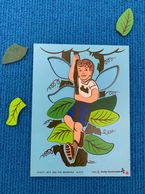
Don't have Jack and the Beanstalk puzzle activities? Print out a page from the book, laminate it, and cut it into pieces that meet the skill levels of the children.
Matching Game
Don't Spill the MAGIC Beans!
Don't Spill the MAGIC Beans!
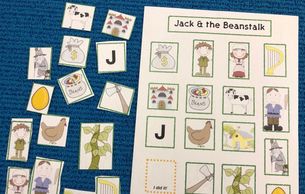
Interactive activities that tie in movement, the skills of attending, fine motor strengthening, listening, organization, peer interaction, & FUN! [Downloadable instructions in PDF below]
Don't Spill the MAGIC Beans!
Don't Spill the MAGIC Beans!
Don't Spill the MAGIC Beans!
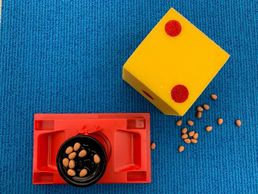
Traditional activities are so versatile! We’ve modified the version to include a die. Have the children roll a big foam die, then state the number they rolled. Next, they need to request the number of beans they rolled. This structured game encourages our little giants to comment (i.e, “I got three”) and request (i.e., “I need three beans”). They also need to be patient and wait their turn (“It’s my turn” or “It’s your turn”). The children love it when the bean pot tips over and the beans spill out!

Music, Art, Crafts & Drama!
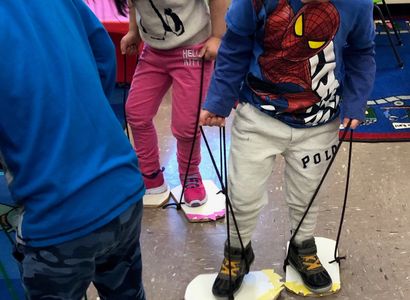
Building Giant Feet!
Building Giant Feet!
Building Giant Feet!
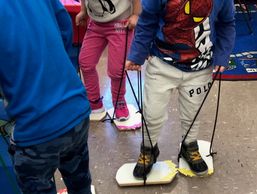
Activities on a shoestring budget! Wood, cardboard, paper, string, & glue.
Giant Me!
Building Giant Feet!
Building Giant Feet!
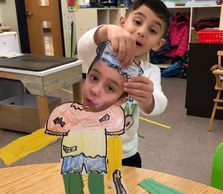
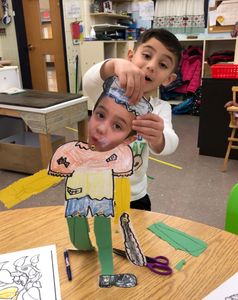
Photo of child saying, "Fe, Fi, Fo, Fum!" Brads, hole punch, crayons, and body parts to connect. (Laminate for better durability.)
Bean Art!
Building Giant Feet!
Beanstalk Collaging
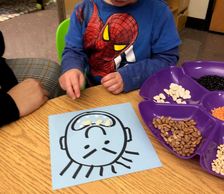
Bean art activities can take on many forms. In this photo, we decorated a face that was of the giant: an big, angry face that yelled out, “Who stole my gold?”
Beanstalk Collaging
Beanstalk Collaging
Beanstalk Collaging
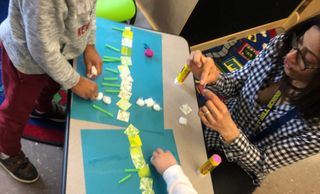
Fun lessons: Using one bean, paper, glue, scissors, cotton ball clouds, and a handprint with silver paint for a castle!
Hallway Display
Beanstalk Collaging
Hallway Display
Displaying our beanstalk collages. The stalks are rolled and crumpled bulletin board paper. Adding the children's leaves are next!
Charades
Beanstalk Collaging
Hallway Display
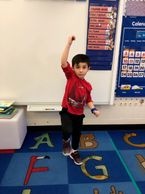
Children act out various roles and actions from with the story. Here, lessons include having a child acts out climbing a beanstalk!
Jack can ROCK!
Jack & the Beanstalk: On YouTube!
Jack & the Beanstalk: On YouTube!
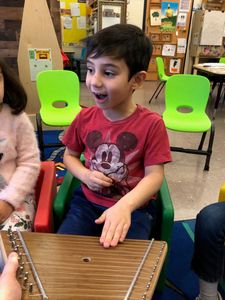
Music education. Using an actual harp is a great way to connect new vocabulary to learning.
Jack & the Beanstalk: On YouTube!
Jack & the Beanstalk: On YouTube!
Jack & the Beanstalk: On YouTube!
Professional Harpist Performance
Professional Harpist Performance
Professional Harpist Performance

Videotaping a Class Play
Professional Harpist Performance
Professional Harpist Performance
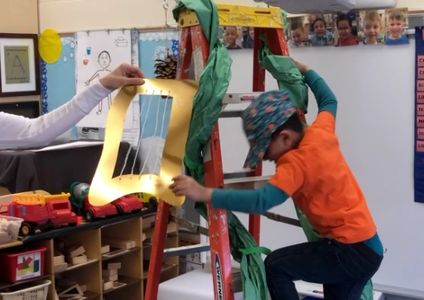
Practicing the story with provided props allows children opportunities to act out the story. In the attached photo, Jack returns down the beanstalk carrying the Giant's harp. Hands on lessons make for smiles!

What's Cookin', Mr. Giant?
Bean Soup!
Corn & Bean Salsa!
Corn & Bean Salsa!
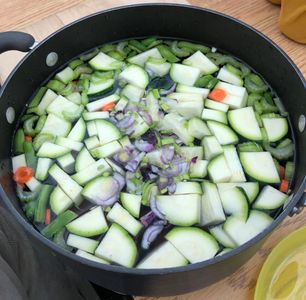
Cooking activities allow children to connect information from the literature (beans, beanstalk, growing), to real life. Here we made bean soup, with vegetables that grow up from the ground, or on a vine.
Corn & Bean Salsa!
Corn & Bean Salsa!
Corn & Bean Salsa!
A simple, no cooking recipe that provides opportunities for tapping into all our senses, from the tips of our fingers to the tip of our tongue, lessons that are delicious!

What are your state's standards? Follow the link!